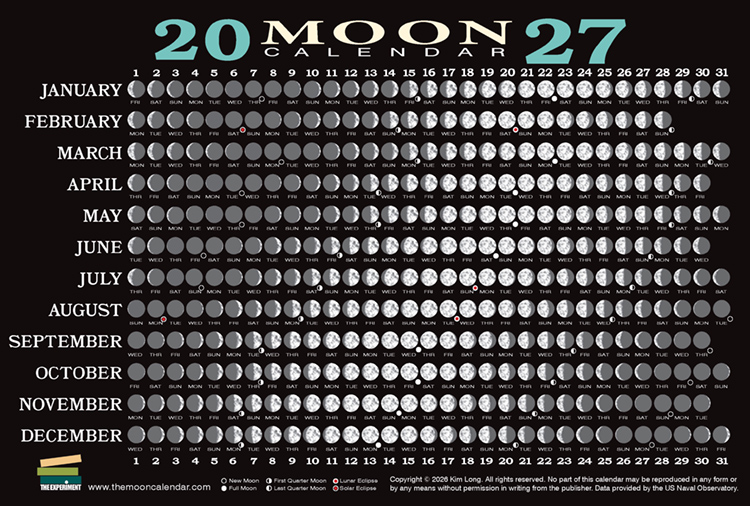
Here's a running narrative on the history of this iconic calendar.

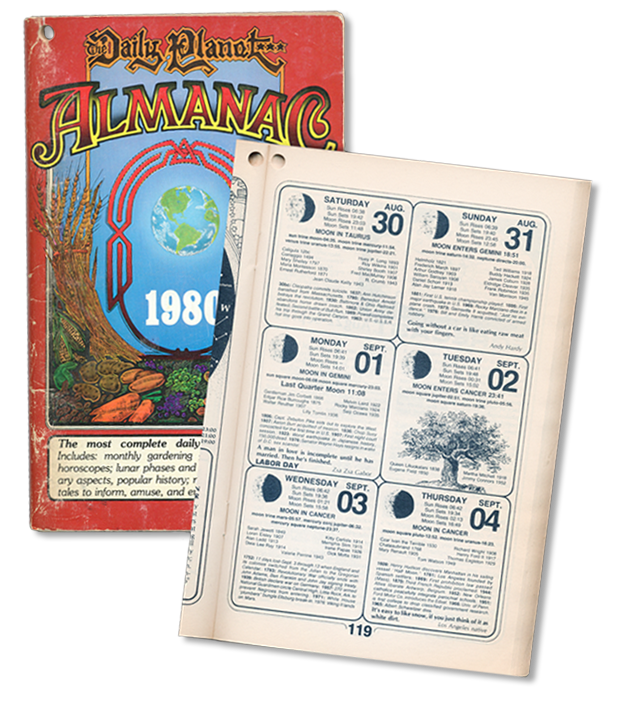
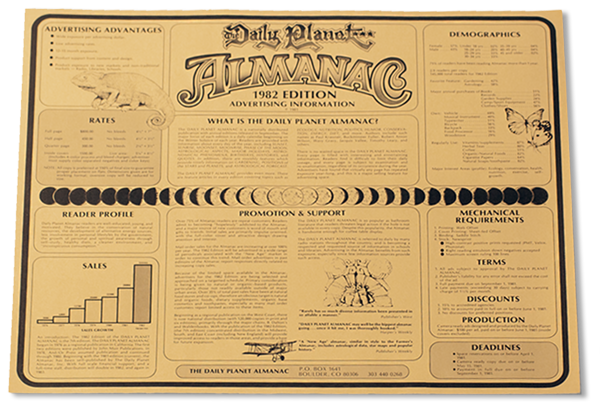
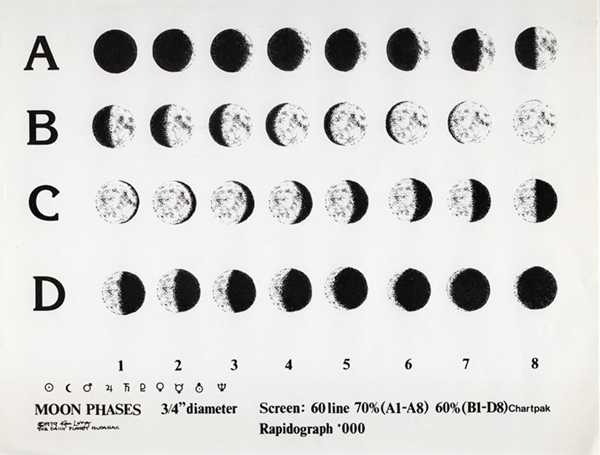
In 1976, The Daily Planet Almanac was launched through a group effort at Pacific High School, a small alternative school in northern California. The initial financial support came from Jerry Garcia and Bob Weir, who were acquainted with the school -- Pacific High School occasionally provided backstage catering for Grateful Dead shows in the San Francisco Bay area. This annual publication was an alternative to traditional almanacs, and included astronomical and astrological information for every day of the year. And: an accurate depection of the phase of the moon. The first images for the moon phases were simple geometric circles with dark shading, a standard approach in calendars and almanacs for hundreds of years. The publication headquarters for the almanac shifted a few times in the late 1970s and Pacific High School gradually dissipated into nothingness, but the almanac kept on staying alive. In 1980, the simple moon symbols were replaced with detailed, accurate pen and ink drawings of the day-by-day phase changes visible to the naked eye, produced by founding staff member Kim Long. In 1981, display advertising was added to the almanac in order to generate more income. To notify sponsors, we created a poster (folded for mailing) with appropriate information about the publication and ad rates. This advertising guide was the first appearance of the full sweep of moon phases and in a late night "AHA" moment, the The Moon Calendar was born and a prototype print version was created.
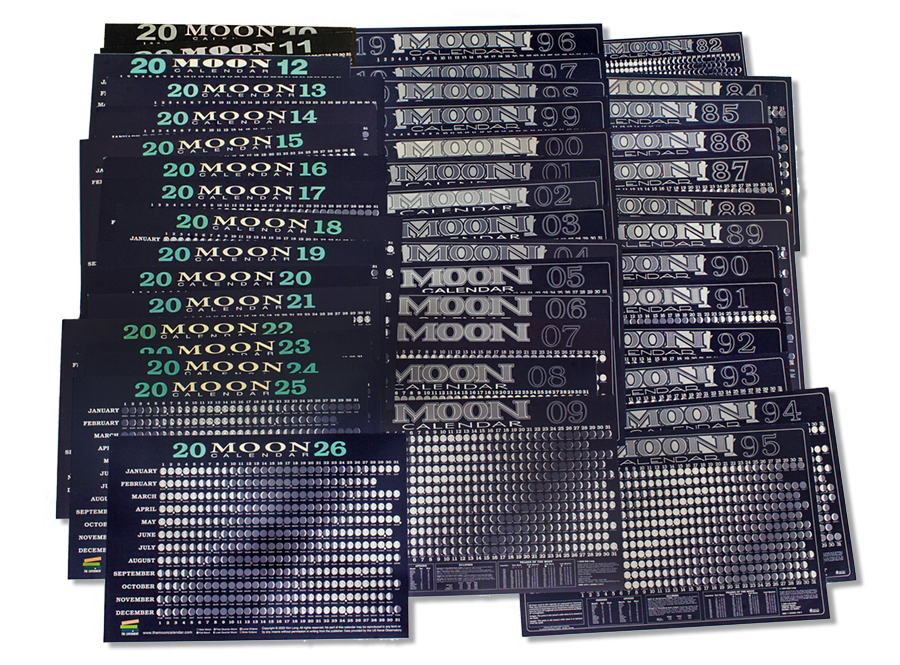
Launched in a small printing in 1981 in the mountains outside of Boulder, Colorado, The Moon Calendar was initially a standard-size poster (20x32 inches), shipped and sold rolled in a tube. Floor displays for bookstores soon followed; the first display was made from heavy cardboard tubes previously used to ship thin rolls of aluminum sheets. The first publisher was Johnson Books, a small book publisher in Boulder, Colorado, who marketed the calendar widely, including at annual events such as the American Booksellers Association national trade show.
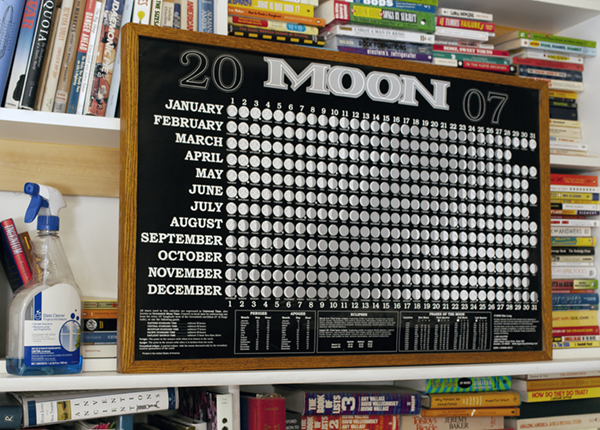
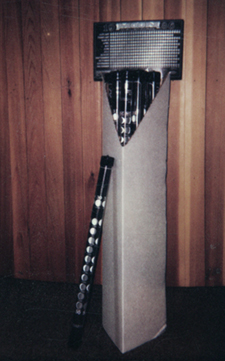
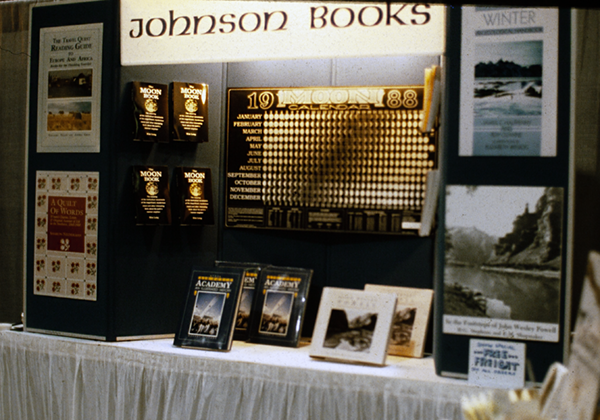
The Daily Planet Almanac ceased publication in 1982. Lots of fans, but it was expensive to produce and most of the original staff had drifted into other ventures ... except for Kim Long. The creator of the original moon artwork, he designed and updated the subsequent annual editions of the calendar. From the beginning with the Daily Planet Almanac, producing the Calendar involved “old-fashioned” systems linked to offset printing. This meant producing each year’s calendar at its full poster size, with each type and graphic element carefully had to be cut out and pasted with hot wax onto large sheets of acetate.
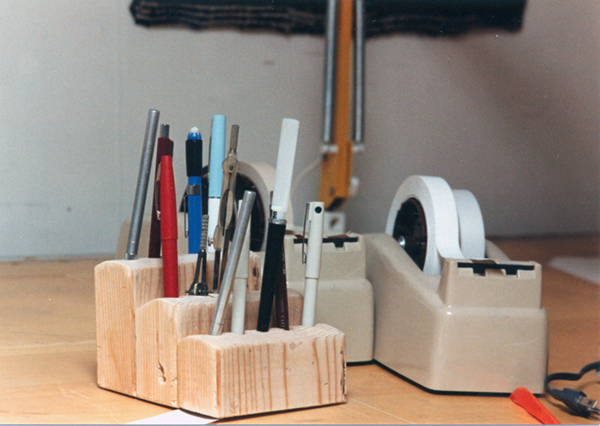

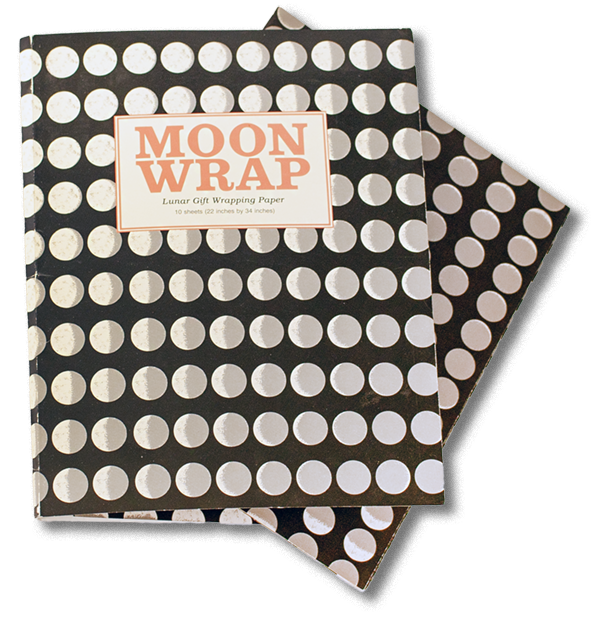
But as access to desktop computers and digital processing arrived in the mid-1980s, production shifted to this much more efficient method. By 2007, the poster version of The Moon Calendar poster was replaced with the card format, a casualty of the extra handling, packaging, and distribution costs associated with rolled posters. For a few years beginning in 2011, the author also experimented with a standard 13-page wall calendar before shifting back to the card size. Along the way, a fleeting experiment in brand extension was Moon Wrap, sheets of moon phase wrapping paper sold through bookstores. Another sales failure, perhaps to be resurrected some time in the future.
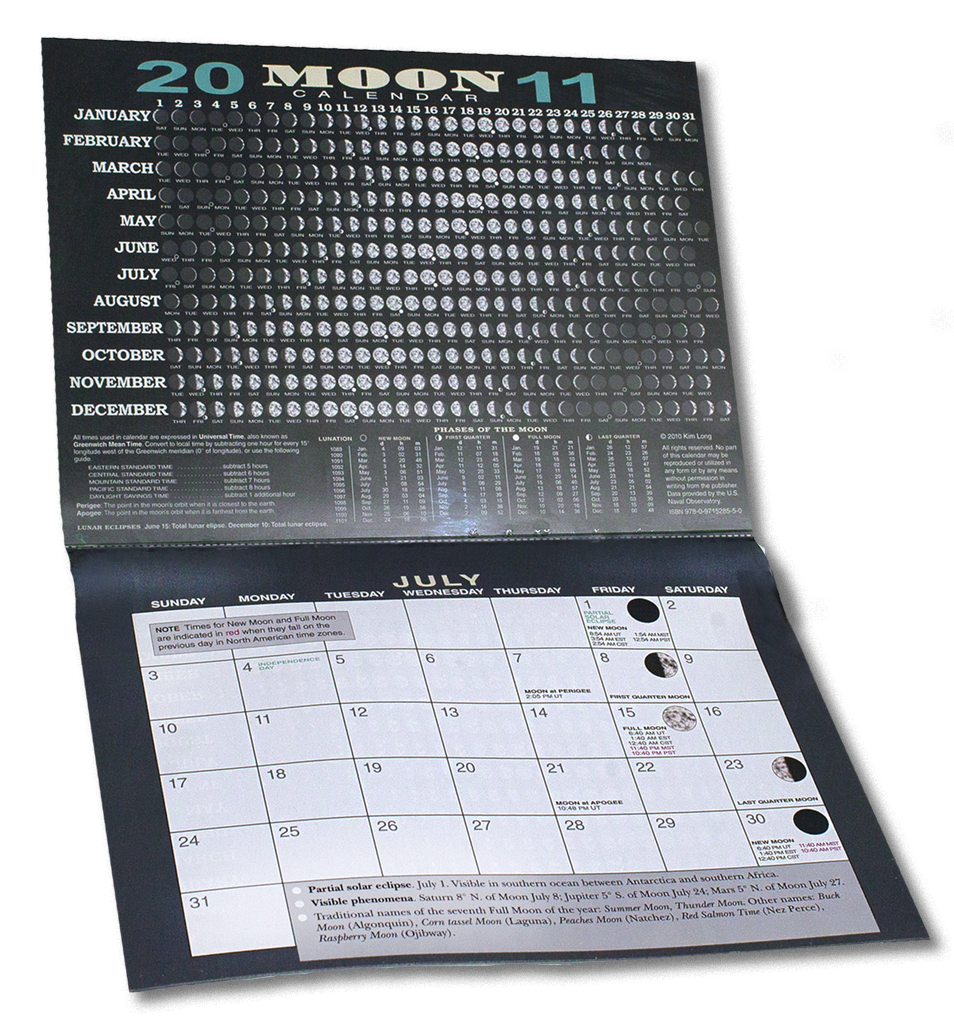
The Moon Calendar was picked up as an ongoing annual title by The Experiment Publishing in 2012, initially packaged, for a single year, as The Moon Almanac 2012, a 32-page booklet with the familiar calendar card on a perforated extension attached to the back cover. Seemed like a great idea, but the card tempted many bookstore customers to pull off the calendar, leaving the carcass of the Almanac behind. The Experiment Publishing has retained the publishing rights to the calendar itself since then, gradually expanding sales opportunities, mostly through bookstores. As of 2024, a total of more than half a million copies in cummulative sales have established it as a fixture despite increasing competition from internet- and software-based calendar content.
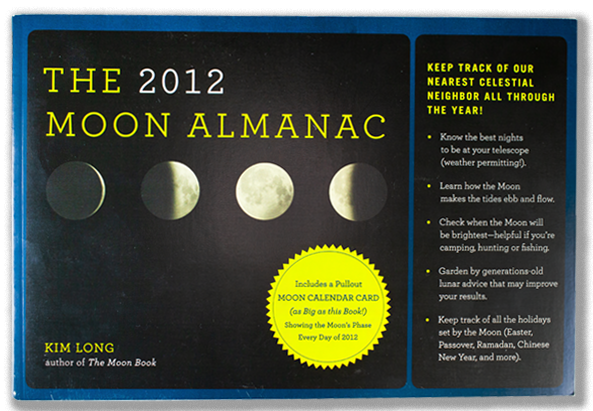
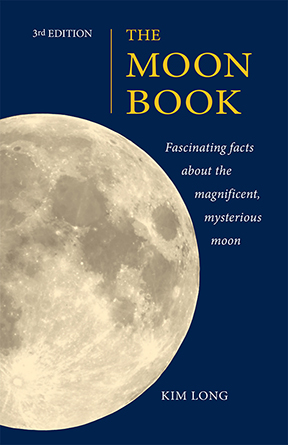
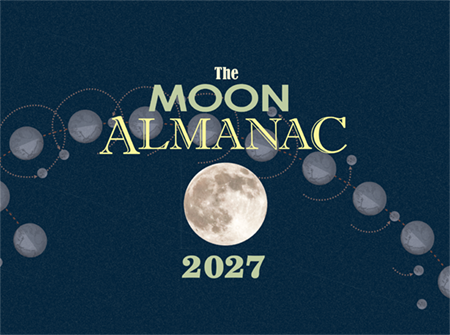
In 1988, the author wrote and illustrated The Moon Book, published by Johnson Books, the original publisher of The Moon Calendar. The Moon Book was generated to be a companion volume to the calendar with background information, perspective, and much more information about the cycles of moon phases. As of 2025, this title has gone through several printings and is now updated in its third edition, now published by Proximo Press. Meanwhile, The Moon Almanac continues from the original publishing attempt with The Experiment Publishing in 2012, this time without being bundled together with the calendar. The Moon Almanac is 36 pages of illustrated text, providing specific data about a single year's moon phases, including the rising and setting times for full and new moons and related lists for 15 major US cities.
Contact:info@themooncalendar.com